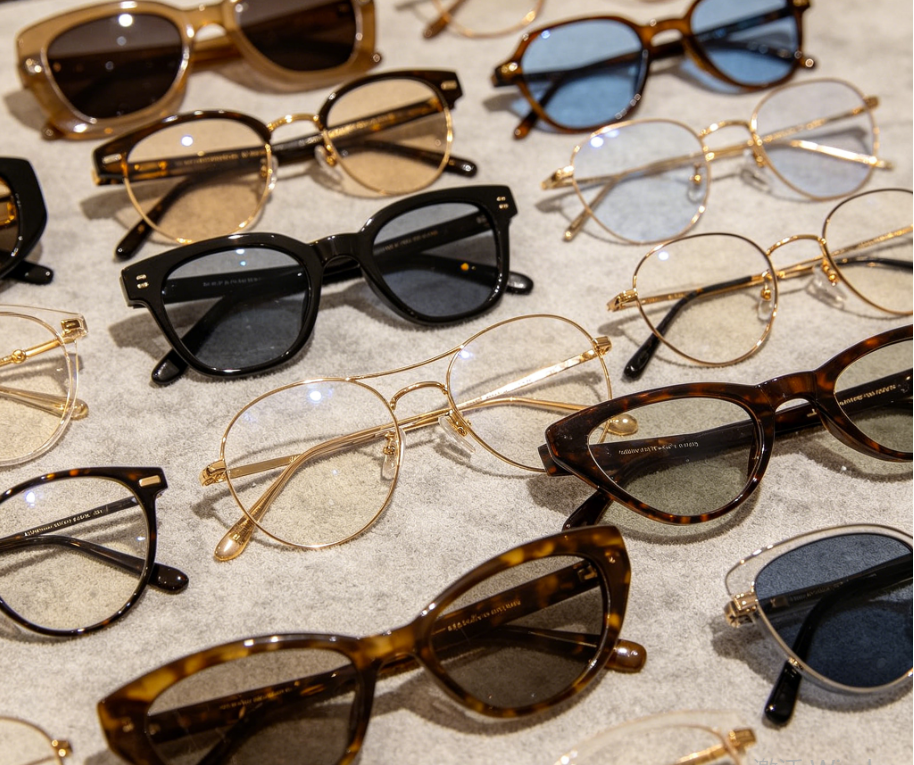
If you sell reading glasses or optical products, you have probably been asked: “Should I get the blue light blocking ones or just the regular ones?” Your customer is looking at two pairs that look almost identical. One costs a few dollars more. The other is the standard option. And they have no idea which one to pick.
Your job is to explain the difference clearly – without confusing them with science or overselling features they do not need. Here is a straightforward breakdown of anti‑blue light lenses versus standard lenses.

Standard Lenses: Clear, Simple, and Affordable
Standard lenses do exactly what lenses have always done: they correct near vision. They have no special coatings or color tints. What you see is what you get – complete clarity without any filtration.
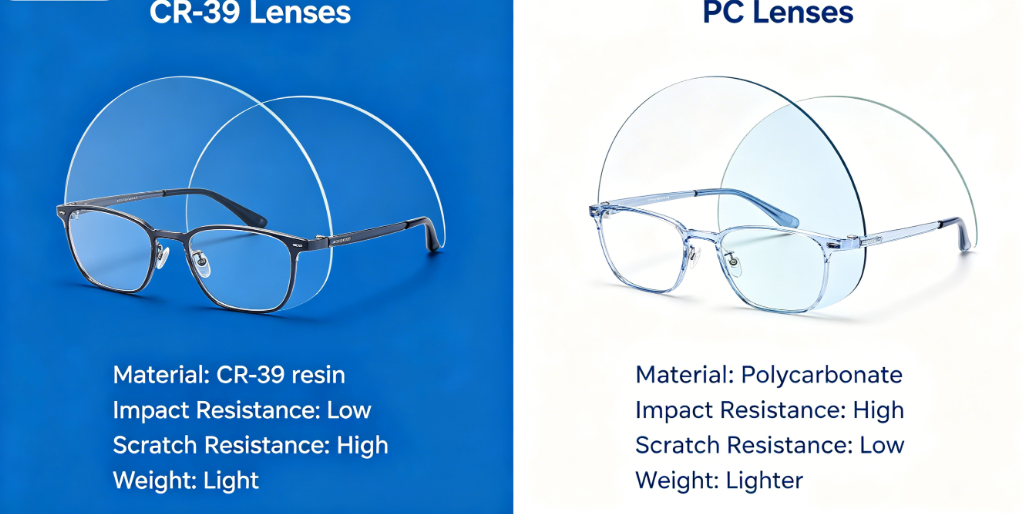
How they work: Standard lenses allow the full visible light spectrum to pass through, including blue light. They are made from materials like CR‑39 or polycarbonate, with a basic anti‑scratch coating if requested.
Best for: Customers who only wear reading glasses occasionally, or who use them in normal lighting conditions and have no complaints about eye strain or sleep. Also great for budget‑conscious buyers.
Pros: Low cost, completely clear, no adaptation needed.
Cons: No blue light filtering. If your customer spends hours under harsh office lighting or staring at screens late at night, standard lenses offer no protection.
Anti‑Blue Light Lenses: A Targeted Filter
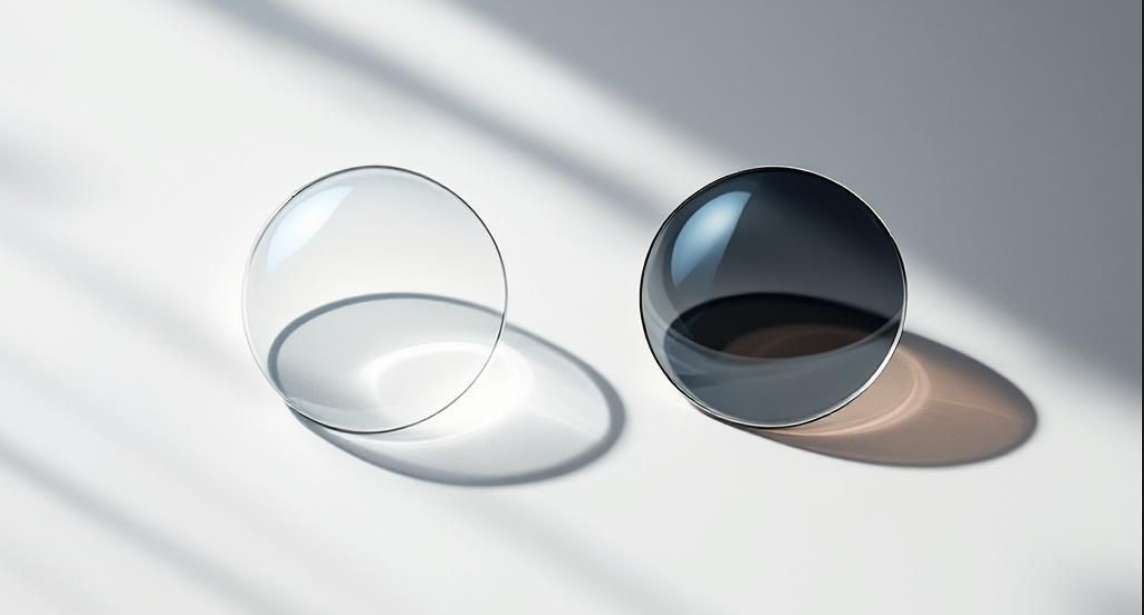
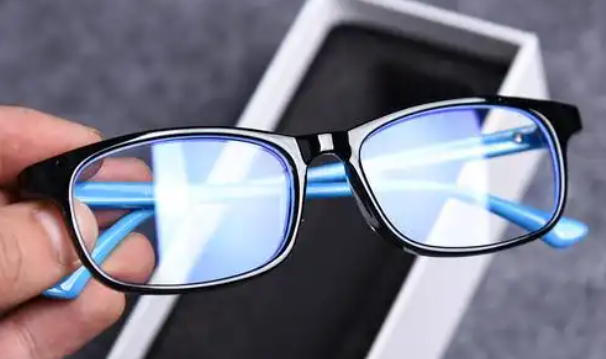
Anti‑blue light lenses look almost clear – but with a very slight yellowish or amber tint. This tint is not a design choice; it is the result of a coating or embedded material that blocks a portion of high‑energy blue light (typically in the 380–450 nm range).
How they work: These lenses filter out 25–40% of blue light for clear‑office versions, or 90%+ for deep amber nighttime versions. The rest of the visible spectrum passes through normally. Your customer gets clear near vision, but with less glare and less blue light reaching their eyes.
Best for: Office workers who stare at screens eight hours a day. Night owls who use phones or computers after dark. Light‑sensitive individuals. Also anyone who has tried adjusting screen brightness and taking breaks but still feels eye fatigue.
Pros: Reduced glare, better contrast, less eye strain during the day. Improved sleep when used in the evening.
Cons: Slightly warmer tint (most people stop noticing after a few minutes). Higher cost than standard lenses.
So Which One Should Your Customers Choose?
Here is a simple rule:
If they only read occasionally, or mostly in good daylight, and sleep fine → standard lenses are perfectly fine. Save them the extra cost.
If they work on screens all day, or use devices late at night, or complain about tired eyes or poor sleep → anti‑blue light lenses are worth the upgrade.
Do not try to sell blue blockers to everyone. That is bad advice and bad business. But for the right customer, a good pair of anti‑blue light reading glasses is a genuine solution to a daily annoyance.
What Snowlux Offers
At Snowlux, we manufacture both standard and anti‑blue light reading glasses. Our standard lenses are crisp, accurate, and affordable – perfect for basic reading needs. Our anti‑blue light lenses come in two versions: mild clear‑office tint (25–40% blue blocking) for daytime screen use, and deep amber (90%+ blocking) for evening sleep support.
Every lens is tested for diopter accuracy. No guesswork. Just consistent quality that keeps your return rate low and your customers happy.
When you stock Snowlux, you give your customers a real choice – not a forced upsell. And you give yourself a reputation for honesty.
Need a sample to compare side by side? Contact Snowlux today.