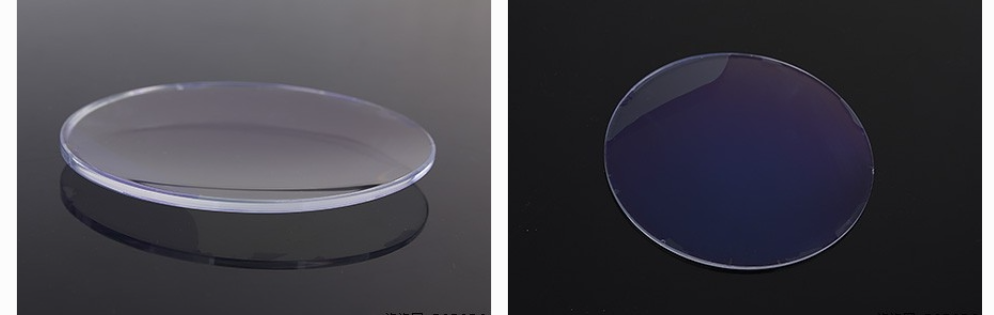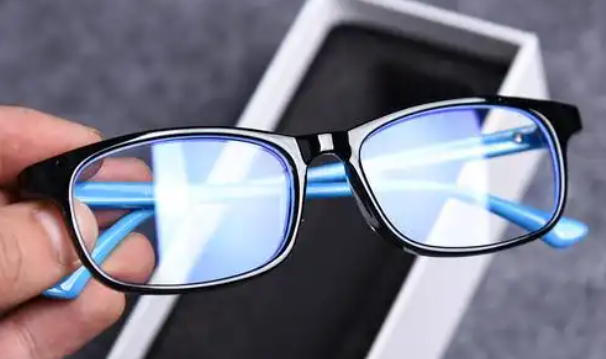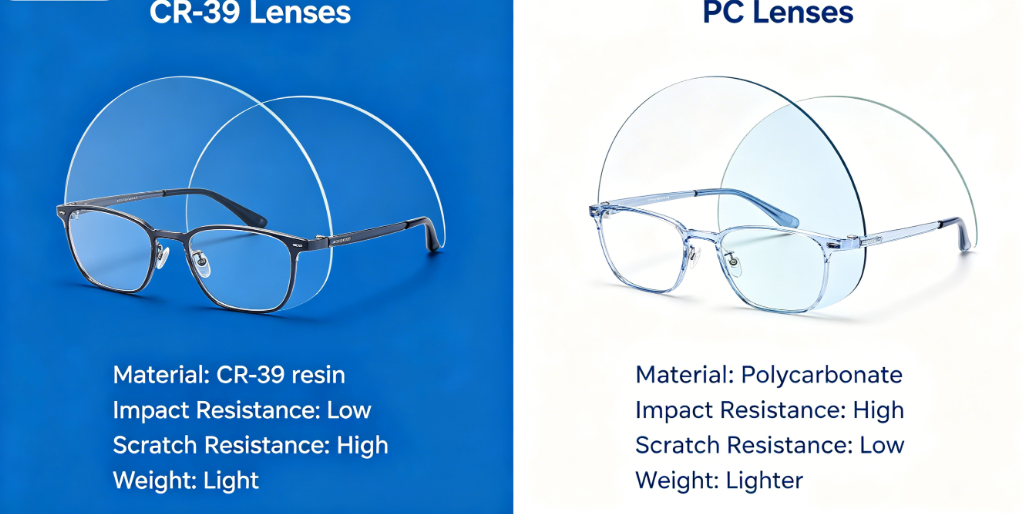
You have seen them. A pair of glasses that looks clear indoors, but turns dark the moment you step outside. No battery. No switch. Just magic? Not exactly. It is called photochromic technology – and for the right customers, it is a game‑changer.
If you sell reading glasses, understanding how photochromic lenses work helps you sell them better. Let’s break down the science, the benefits, and who actually needs them.

The Simple Science Behind Photochromic Lenses
Photochromic lenses contain special molecules – usually silver halide or organic compounds – embedded in the lens material or coated on the surface. These molecules are light‑sensitive.
When UV light hits the lens (outdoors): The molecules change their chemical structure. They rearrange and become darker, absorbing more light. The lens turns into something like a light‑to‑medium sunglass.
When UV light is gone (indoors or at night): The molecules snap back to their original shape. The lens becomes clear again.
The reaction is completely reversible and happens automatically. No button, no app, no charging. Just pure chemistry doing its job.
The whole process takes seconds. A good photochromic lens darkens significantly within 60–90 seconds in direct sunlight and fades back to 80% clear in under two minutes indoors.
Why Customers Love Photochromic Lenses
The value is simple: one pair, two jobs.
A customer who spends time both indoors and outdoors no longer needs to carry two pairs of glasses (regular readers + sunglasses). They put on their photochromic readers in the morning. Inside – clear. Step outside – dark. Walk back in – clear again. No swapping. No squinting. No “where did I put my sunglasses?”
This is especially useful for:
Gardeners and balcony readers
Commuters who walk between train and office
Active seniors who go in and out frequently
Anyone who hates carrying an extra pair
Who Should NOT Buy Photochromic Lenses?
Honesty prevents returns. Photochromic lenses are not perfect for everyone.
Not for driving. Car windshields block most UV light. The lenses will not darken sufficiently inside a car. Tell your customers: “Great for walking, gardening, and patio reading. For driving, use dedicated sunglasses.”
Not for instant light changes. The transition takes a few seconds. Coming out of a dark tunnel into bright sun, the lens needs a moment to catch up. Most people do not mind, but some sensitive users prefer instant darkness.
Not for the cheapest budget. Photochromic lenses cost more than standard single vision readers. For customers who only read indoors under stable light, save them the money.
What Quality to Look For
Not all photochromic lenses are equal. Cheap ones have three common problems:
Slow fade‑back: The lens stays dark for minutes after going inside. Avoid suppliers whose samples take longer than three minutes to clear.
Uneven darkening: The center gets darker than the edges, looking cheap. Test by holding a sample under sunlight – color should be uniform.
Short lifespan: After 6–12 months, the lens stops changing. Ask your supplier for cycle test data (≥5,000 cycles is standard).
What Snowlux Offers
At Snowlux, we manufacture photochromic reading glasses with fast, uniform darkening and reliable fade‑back. Our lenses darken significantly in direct sunlight and return to 80% clear within 90 seconds indoors. We test every batch for consistency – no slow lenses, no patchy tints.
We also offer a full range of standard reading glasses. Stock both, and let your customers choose based on their lifestyle.