If you sell reading glasses or optical products, you have probably noticed that “blue light” has become a buzzword. Customers ask about it. Competitors market it. But how many people actually understand what blue light is – and whether it matters for their daily lives?
As a B2B buyer, you need more than marketing slogans. You need facts. Here is a clear, no‑hype explanation of blue light and why your customers (especially office workers) should care.

What Is Blue Light?
Blue light is a color in the visible light spectrum. It has a short wavelength (roughly 380–500 nanometers) and high energy. That is why it is also called high‑energy visible (HEV) light.
The biggest source of blue light is the sun. But in modern life, your customers get significant blue light exposure from:
Smartphones and tablets
Computer monitors and laptops
LED office lighting
Flat‑screen TVs
Here is what most people do not realize: natural blue light during the day is actually good for you. It boosts alertness, improves reaction time, and elevates mood. It also helps regulate the circadian rhythm – your internal body clock that tells you when to wake up and when to sleep.
The problem is not blue light itself. The problem is too much blue light at the wrong time of day, often from screens held inches from your face for hours on end.
Why It Matters for Your Customers
Most discussions about blue light focus only on sleep. Sleep is important, but it is not the whole story. Let’s look at three real effects your customers experience.
1. Sleep Disruption
After sunset, blue light suppresses melatonin – the hormone that makes you feel sleepy. When your customer scrolls on their phone in bed, their brain thinks it is still daytime. Falling asleep becomes harder, and sleep quality drops. This is well‑established biology.
Deep amber blue blocking lenses (90%+ filtration) worn 1–2 hours before bed can help restore natural melatonin production. For customers who struggle with late‑night screen use, this is a genuine solution.
2. Digital Eye Strain
This is where most retailers miss the biggest opportunity – office workers.
People who spend eight hours a day in front of monitors often complain of:
Dry, tired eyes
Blurred vision
Forehead tension or headaches
Glare sensitivity
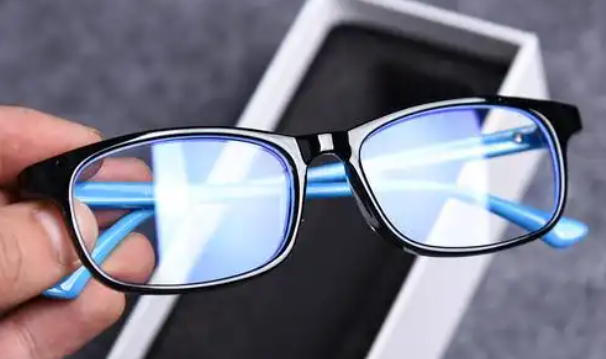
Blue light scatters more easily than other colors, creating glare that forces eye muscles to work harder. A mild blue filter (25–40% filtration) reduces that scattered light, improves contrast, and makes screen time more comfortable. This has nothing to do with sleep – it is about getting through the workday without eye fatigue.
3. Long‑Term Eye Stress
Research is ongoing, but some studies suggest that cumulative blue light exposure over decades may stress retinal cells. For most people, this is not an immediate concern. However, light‑sensitive individuals – including post‑cataract surgery patients – often experience real discomfort from blue light today, not years from now.
Who Actually Needs Blue Light Protection?
Not everyone. But these groups genuinely benefit:
Office workers who feel eye fatigue, headaches, or glare after long screen sessions – even after adjusting brightness and taking breaks.
Night owls who use screens for more than two hours after dark and struggle to fall asleep.
Light‑sensitive individuals or post‑cataract patients – for them, blue light causes pain and severe glare.
For the average customer who sleeps well and has no screen‑related complaints, regular reading glasses are perfectly fine. Do not oversell.
What Snowlux Wants You to Know
At Snowlux, we manufacture blue light filtering reading glasses with scientifically measured tints. We do not make wild claims. We simply provide honest products that help the people who need them.
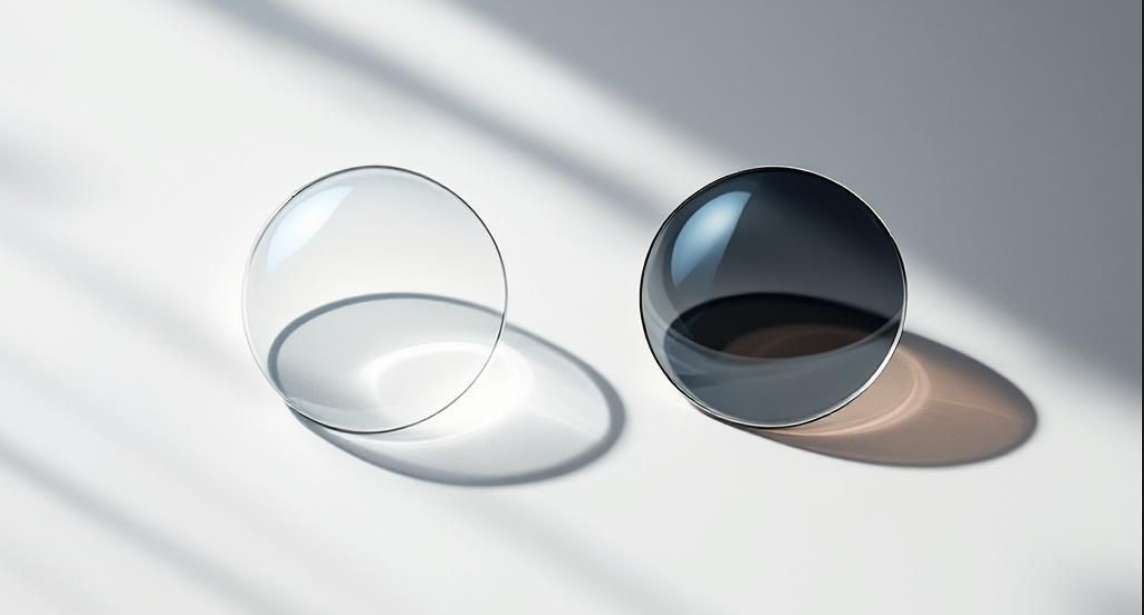
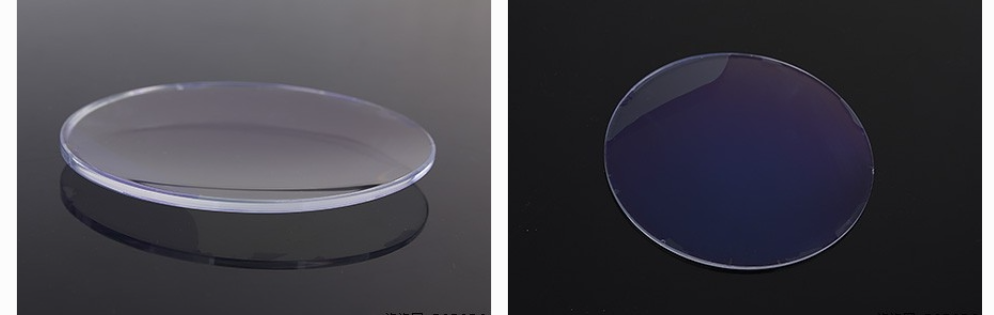
Clear‑office lenses: Block 25–40% of blue light. Reduce glare, improve contrast, and keep colors natural. Ideal for daytime screen work.
Deep amber lenses: Block over 90% of blue light. Designed for evening use to support healthy sleep.
Every batch is tested for diopter accuracy and coating durability. No guesswork. No “mystery percentages.” When you stock Snowlux blue blockers, you are selling a practical tool – not hype.