You have seen the claims. “Block 100% of harmful blue light!” “Reduce eye strain instantly!” “Sleep better tonight!” Walk into any optical shop or scroll through online marketplaces, and the hype is everywhere.
But here is the question your customers will ask – and you need an honest answer: Do they actually work?
Let’s separate the science from the marketing. And more importantly, let’s talk about who actually benefits from blue blocking lenses.

What the Science Actually Says
For digital eye strain :
Multiple high‑quality studies, including a 2021 Cochrane review, found that blue light blocking glasses probably do not significantly reduce eye strain. Why? Because screen‑related eye fatigue is caused by reduced blinking, poor posture, screen glare, and uncorrected vision problems – not specifically blue light. Taking breaks and adjusting your screen position work better than any tinted lens.
For sleep improvement:
This one has real evidence. Blue light at night suppresses melatonin (the sleep hormone). Wearing deep amber or red‑tinted blue blockers in the evening may help you fall asleep faster. However, mild yellow‑tint “office” lenses are probably too weak to make a meaningful difference.
For long‑term eye health:
No strong evidence that blue light from screens causes permanent eye damage. The amount of blue light from a screen is tiny compared to sunlight. Your eyes have natural protection.
So if blue blockers are not a miracle cure, who actually needs them?
Who Actually Benefits?
Honest retailers know that not everyone needs blue blocking glasses. But three groups genuinely benefit:
1. Office workers with daily screen fatigue.
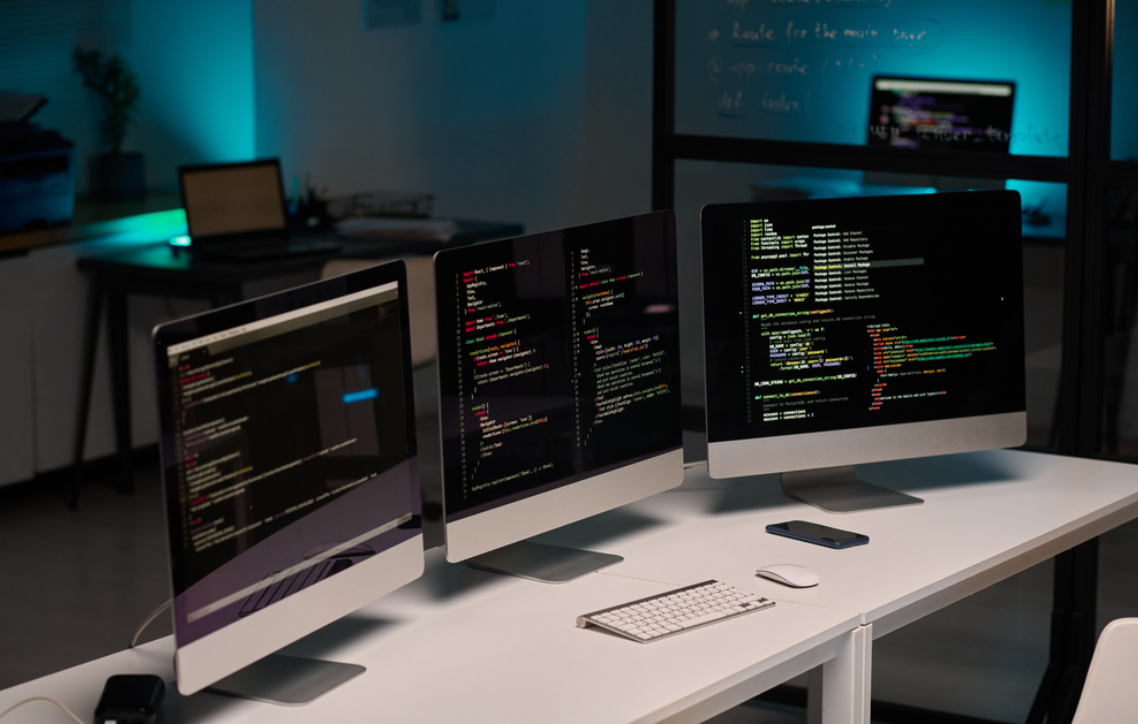
They spend eight hours in front of monitors. They have already tried lowering brightness and taking breaks. Their eyes still feel tired, dry, and achy by 3 PM. For them, a mild 25–40% blue filter reduces glare and improves contrast, making screen time more comfortable. This is not about sleep – it is about getting through the workday without eye strain.
2. Night owls who use screens after dark.
If a customer struggles to fall asleep after late‑night scrolling, deep amber blue blockers (90%+ filtration) worn 1–2 hours before bed can help restore natural melatonin production. This group sees the most clear benefit.
3. Light‑sensitive individuals or post‑cataract patients.
For people with certain eye conditions, blue light causes genuine discomfort – glare, pain, and fatigue. A good pair of blue blocking lenses provides measurable relief.
What Snowlux Offers
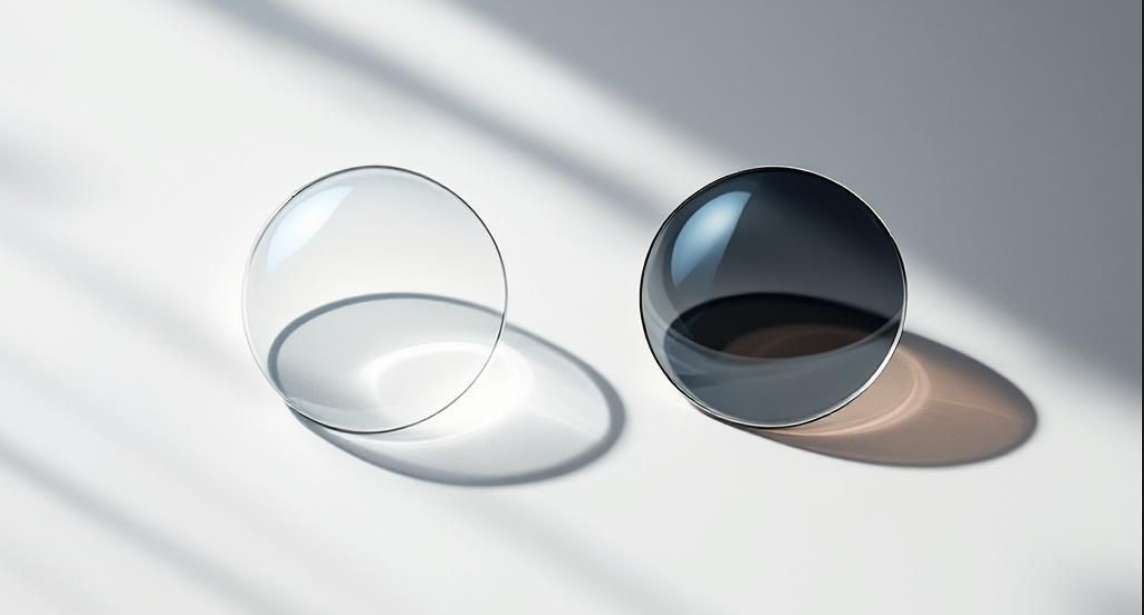
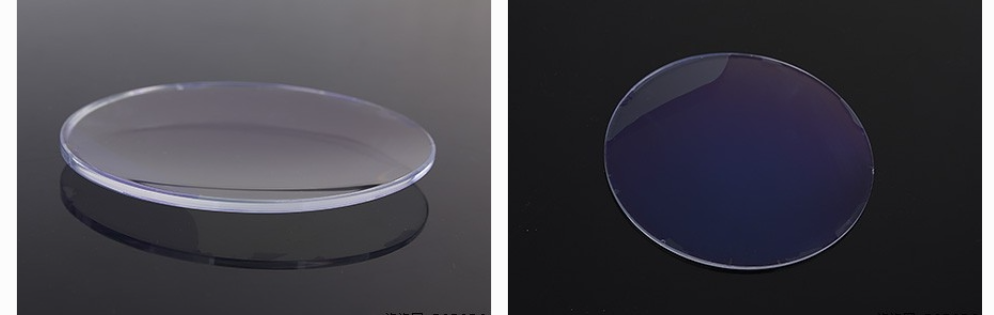
At Snowlux, we manufacture blue blocking reading glasses with scientifically measured tints. Our clear‑office lenses block 25–40% of blue light – enough to reduce glare and improve contrast without distorting colors. Perfect for daytime screen work. Our deep amber lenses block over 90% – ideal for evening use to support sleep.
Every batch is tested for diopter accuracy and coating durability. No guesswork. No fake percentages. Just honest products that help the people who actually need them.
When you stock Snowlux blue blockers, you are not selling hype. You are selling a practical tool for better workdays and better rest.