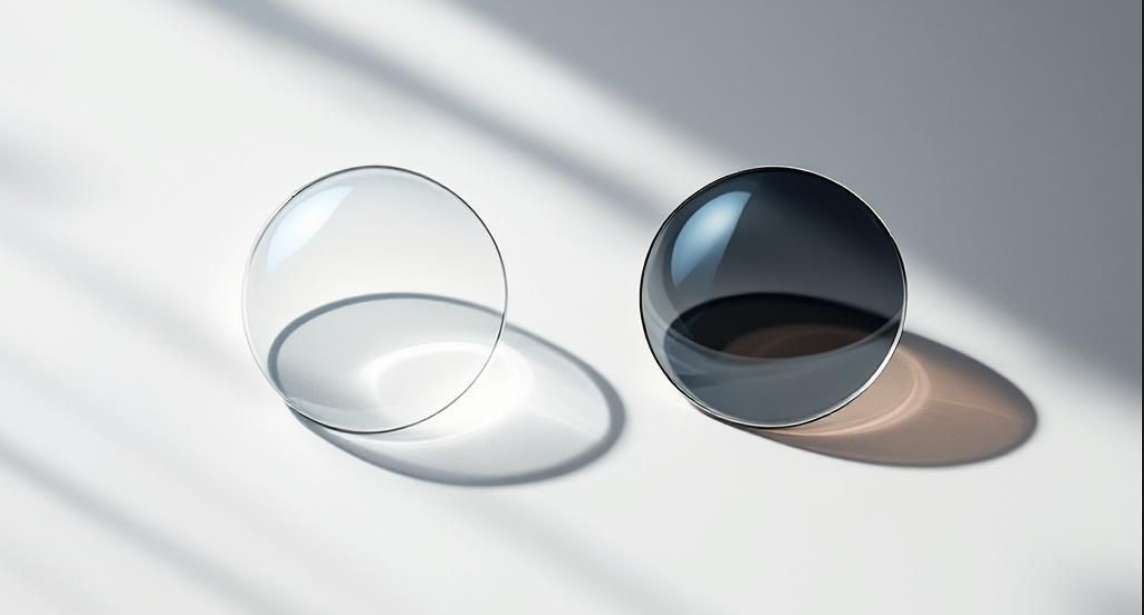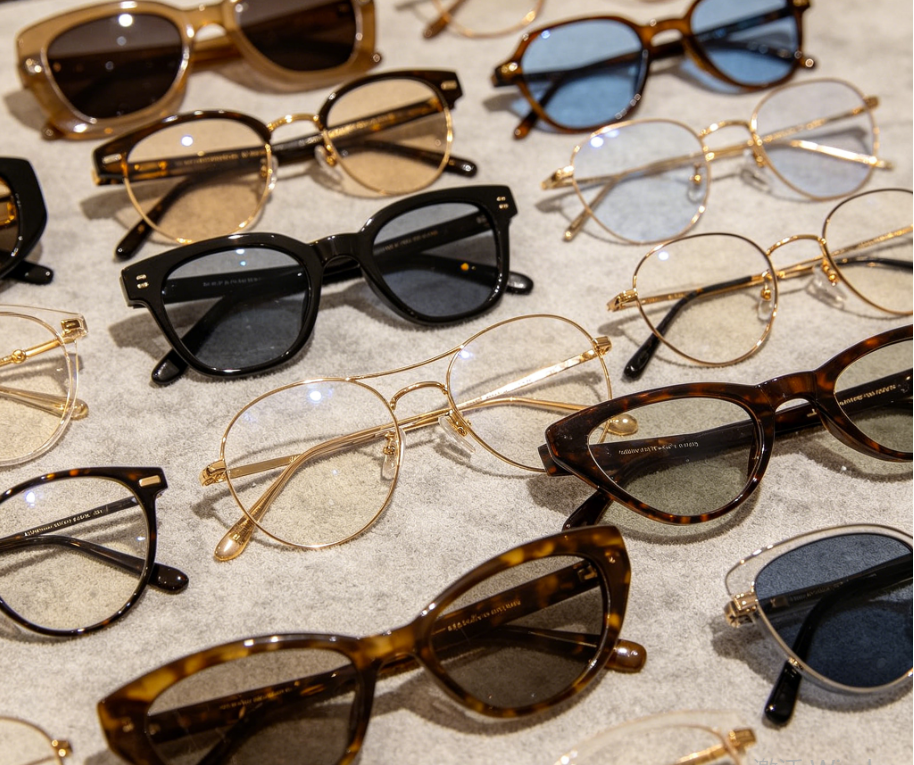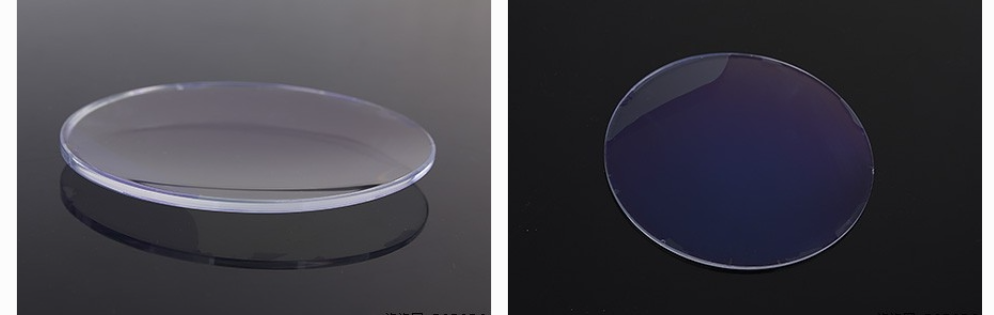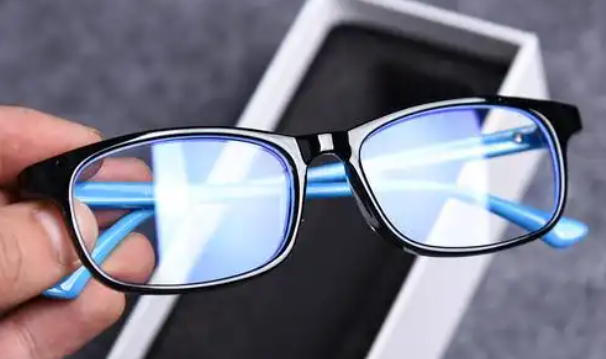
If you stock or manufacture reading glasses, you know the lens material matters as much as the frame. Two of the most common optical materials are CR‑39 and polycarbonate. They look similar, but their performance differs significantly. Choosing the wrong one for your customer’s use case leads to returns, complaints, or worse – broken glasses.
Here is a professional comparison for B2B buyers who need to make informed stocking decisions.
CR‑39: The Optical Standard
CR‑39 (Columbia Resin #39) is a hard resin that has been the industry benchmark for standard prescription and reading lenses for decades.
Optical clarity: Excellent. CR‑39 offers an Abbe value around 58, which means very low chromatic aberration (color fringing). For customers who prioritize sharp, true‑to-life vision, CR‑39 is the gold standard.
Impact resistance: Moderate. It is tougher than glass but significantly weaker than polycarbonate. Dropping a pair of CR‑39 readers from pocket height onto concrete may crack the lens.
Thickness and weight: Heavier and thicker than polycarbonate for the same prescription. For higher powers (+2.50 and above), CR‑39 lenses become noticeably thick.
Scratch resistance: Naturally better than polycarbonate. CR‑39 resists surface abrasion without requiring a hard coat, though adding one is still recommended.
UV protection: Minimal. CR‑39 does not block UV light unless a special coating is applied.
Ideal for: Indoor reading glasses, low‑to‑moderate prescriptions (+1.00 to +2.50), and customers who value optical purity over impact resistance. Also great for budget‑friendly SKUs.
Polycarbonate: The Impact Champion
Polycarbonate was originally developed for aerospace applications. It is virtually unbreakable.
Optical clarity: Good but not perfect. Abbe value is around 30, so chromatic aberration is more noticeable – especially toward the edges of the lens. Most casual users won’t see it, but sensitive eyes might.
Impact resistance: Exceptional. Polycarbonate is 10 times more impact‑resistant than CR‑39. It is the only lens material recommended for safety glasses, sports goggles, and children’s eyewear.
Thickness and weight: Thin and lightweight. Polycarbonate is ideal for higher prescriptions (+2.50 and above) because it keeps the lens profile slim and comfortable.
Scratch resistance: Poor. Polycarbonate is soft and scratches easily. A hard coating is mandatory for any retail product. Without it, returns will spike.
UV protection: Built‑in. Polycarbonate blocks 100% of UV rays without any coating – a major selling point for outdoor or transitional use.
Ideal for: Active users, outdoor reading, higher prescriptions, rimless or semi‑rimless frames, and customers who tend to drop or mishandle their glasses.

Which One Should You Stock?
Do not choose one over the other. Stock both. They serve different customers.
CR‑39 is your everyday workhorse. Use it for basic reading glasses in the +1.00 to +2.50 range, especially for older customers who read at home and value clarity.
Polycarbonate is your premium and specialty option. Use it for higher powers, rimless designs, sports or outdoor readers, and any product where durability matters.
If you must pick only one for a small test order, start with CR‑39 for standard indoor readers. It is what most customers expect. Then add polycarbonate for your active‑use or high‑power SKUs.
What Snowlux Does
At Snowlux, we manufacture both CR‑39 and polycarbonate reading glasses. We use premium CR‑39 for our standard clarity‑focused lines, and impact‑resistant polycarbonate for our outdoor, high‑power, and sports series. Every batch is tested for diopter accuracy and coating durability.
When you stock Snowlux, you are not guessing which material works. You are getting the right lens for the right purpose – consistently.