If you sell sunglasses, you have heard the question: “What’s the difference between polarized and regular?” Your customer picks up two pairs that look the same. One costs a bit more. The other is cheaper. And they have no idea why the price difference exists.
As a B2B buyer, you need to explain this clearly – without confusing your customer with physics. Here is a practical breakdown of polarized versus non‑polarized sunglasses, and which one to recommend for which situation.

What Does “Polarized” Actually Mean?
Light reflects off flat surfaces – water, roads, car hoods, snow – and becomes horizontally scattered. This scattered light is called glare. It is bright, annoying, and sometimes dangerous.
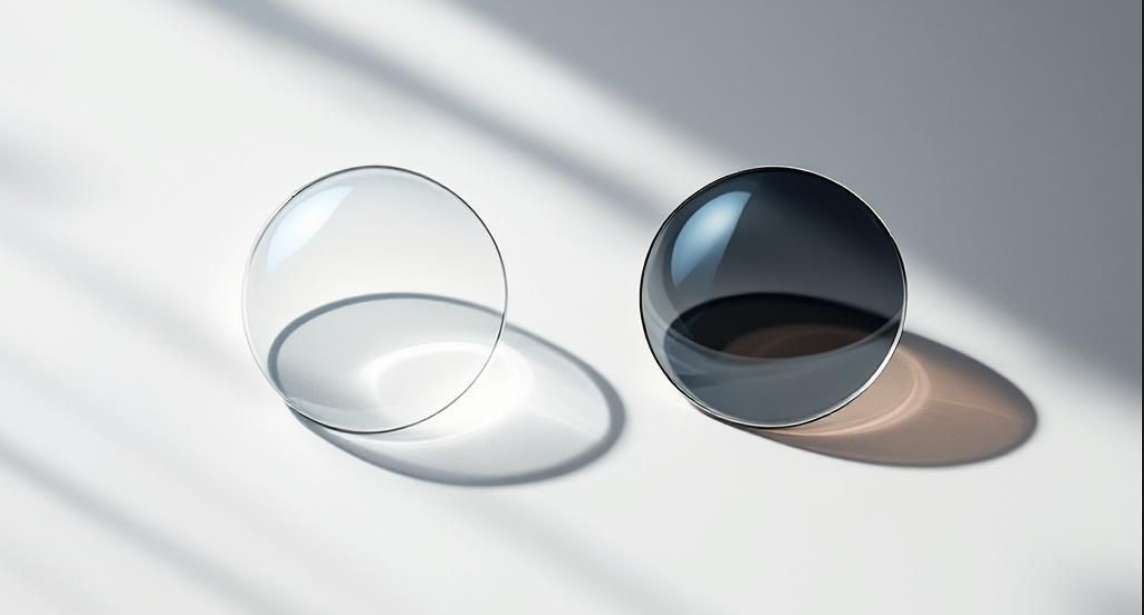
Polarized lenses contain a special chemical filter that blocks that horizontal light. Only vertical light passes through. The result: glare disappears. You see clearer, with richer colors and less eye strain.
Non‑polarized lenses simply darken everything equally. They reduce overall brightness but do nothing to stop glare.
Side‑by‑Side: Real‑World Differences
Glare reduction
Polarized: Excellent. Eliminates blinding reflections from water, wet roads, and snow.
Non‑polarized: None. Just darkens the whole scene, glare included.
Clarity and contrast
Polarized: Sharper vision, better color perception, less squinting.
Non‑polarized: Reduced brightness but no improvement in contrast.
Eye strain
Polarized: Significantly reduces fatigue during long hours in bright conditions.
Non‑polarized: Still forces your eyes to deal with glare, so strain remains.
Viewing LCD screens
Polarized: Can make phone screens, GPS units, and car dashboards look dark or rainbow‑patterned (depending on screen orientation).
Non‑polarized: No interference – everything looks normal.
Price
Polarized: Higher (both wholesale and retail).
Non‑polarized: Lower.
Who Needs Polarized Sunglasses?
Polarized lenses are not for everyone. But for certain customers, they are a must‑sell.
Drivers – Glare from wet roads or other car windshields can be blinding. Polarized lenses cut that glare, making driving safer and more comfortable.
Outdoor workers – Construction, landscaping, delivery drivers – anyone who spends all day outside in bright sun will experience less eye fatigue with polarization.
Anglers and boaters – Water glare is brutal. Polarized lenses let you see below the surface – fish, rocks, depth – which is impossible with non‑polarized lenses.
Beachgoers and snow sports enthusiasts – Both water and snow reflect intense glare. Polarized sunglasses protect eyes and improve visibility.
People with light sensitivity – Post‑cataract patients or those with chronic dry eye often find polarized lenses dramatically more comfortable.
Who Should Avoid Polarized?
Pilots – Polarized lenses can interfere with reading instrument panels and spotting other aircraft reflections. Aviation authorities recommend against them.
People who constantly look at LCD screens – If your customer spends hours reading a phone mounted on a dashboard (e.g., truck drivers using GPS), the dimming effect may annoy them. Non‑polarized works better.
Budget‑only buyers – If price is the only deciding factor, non‑polarized sunglasses are perfectly fine for casual use.
What About Snowlux?
At Snowlux, we manufacture both polarized and non‑polarized sunglasses. Our polarized lenses are tested for true glare reduction – not just a dark tint. We also offer non‑polarized options for casual wear, indoor‑outdoor use, and customers who prioritize screen visibility.
We let our customers choose based on their real needs – not on hype.
The Bottom Line for B2B Buyers
Stock both. Polarized sunglasses are your premium, higher‑margin product. Non‑polarized are your entry‑level, high‑volume basic.
Train your staff to ask two questions:
“Do you spend a lot of time near water, snow, or driving?” → Polarized.
“Do you need to read phone or GPS screens while wearing them?” → Non‑polarized (or try a sample first).
When you sell the right lens for the right situation, your customers will trust your advice – and come back for more.
Need polarized samples to test against blinding glare? Contact Snowlux today.